
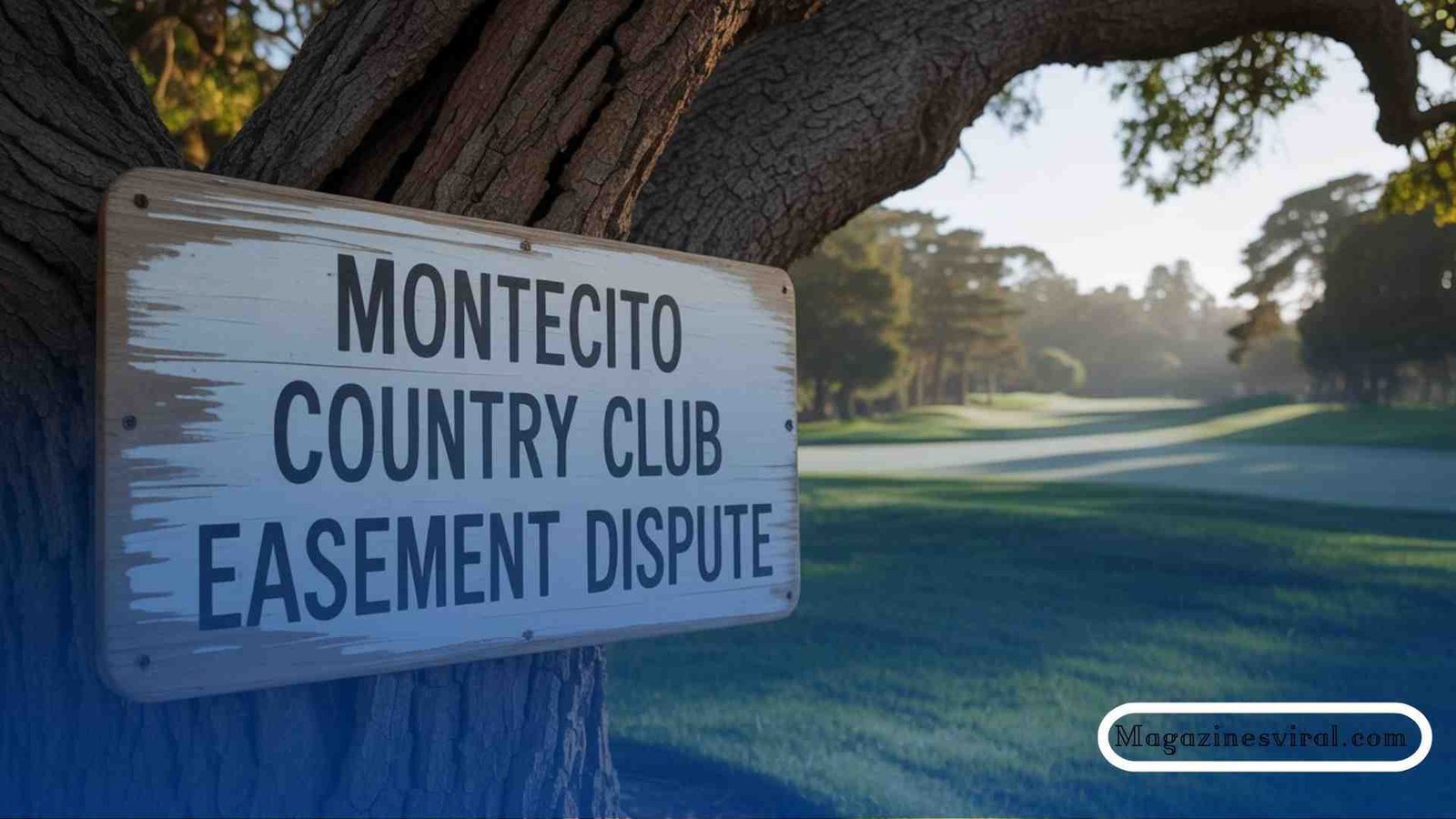
The Montecito Country Club easement dispute involves a legal battle over land access rights between the club and nearby homeowners. Residents claim long-time use of a shared path, which the club now restricts.
Stay tuned with us as we dive deeper into the Montecito Country Club easement dispute and uncover what it means for local property owners.
What Is Montecito Country Club?
Owned by billionaire Ty Warner, the Montecito Country Club is a private, luxury club offering an 18 hole golf course, tennis courts, fine dining, and high-end social amenities. Located near Santa Barbara, the club underwent a massive $75 million renovation completed in recent years, enhancing its elite status.
The club is surrounded by residential properties, some of which date back to the early 1900s setting the stage for old easements and new renovations to collide.
What Sparked the Easement Dispute?
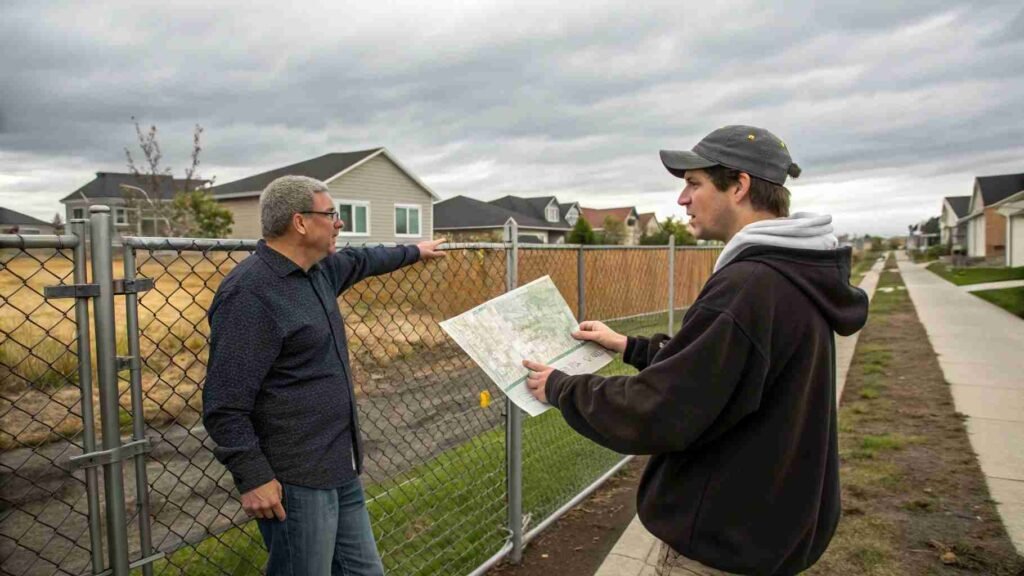
Several homeowners near the Montecito Country Club claim they hold long-standing easement rights across or through portions of the club’s land. These easements may allow.
- Vehicle or pedestrian access to their homes
- Maintenance of utility infrastructure (water, sewer, power lines)
- Emergency route accessibility
However, during or after the renovation, some of these access paths were allegedly blocked, rerouted, or limited, prompting legal action.
Example Issues Raised:
- Locked gates installed where open access once existed
- Removal of signage marking public or shared paths
- Increased fencing and restricted landscaping
Legal Background: Understanding Easements
Easements can be expressed (written and recorded) or prescriptive (gained over time through consistent use). In California, an easement may become permanent if:
- The use is open, notorious, and continuous
- It occurs without permission (adverse use)
- It lasts at least 5 years
In this case, property owners claim the club’s land has been used for decades, giving them legal access. The club, on the other hand, might argue that:
- The easements were never formally recorded
- Any use was permitted, not adverse
- The renovations are necessary for security, liability, or environmental reasons
Lawsuit and Legal Positions
Reports suggest that residents have filed a civil lawsuit against the Montecito Country Club or its ownership entity. The legal battle includes:
- Requests for injunctive relief to reopen blocked access
- Declaratory judgment to affirm their easement rights
- Potential damages for interference or trespass
The club’s defense may cite private property rights, zoning approvals, or new safety protocols that prompted the changes.
Community Reactions
The easement dispute has prompted strong reactions from residents, legal experts, and local officials. Here’s what different stakeholders are saying:
Residents
- We’ve used this access road for 40 years, it is part of our home’s history.
- Blocking access creates safety concerns and cuts off essential utility work.
Club Supporters:
- The country club has a right to protect its land from overuse or trespass.
- Modernization requires new boundaries and liability controls.
Legal Observers:
- This is a textbook California easement case expected to be cited in future rulings.
Broader Implications for Montecito and Beyond
This dispute is more than a neighborhood squabble; it reflects statewide and national trends in land use.
- Gentrification & Luxury Development: Modern upgrades often conflict with older, informal agreements.
- Private vs. Public Interests: Wealthy areas face increasing tension between exclusivity and traditional access.
- Environmental Considerations: Easements can impact drainage systems, fire escape routes, and erosion control.
What Can Property Owners Learn?
If you live near shared paths, access roads, or easements, consider the following steps.
1. Review title documents and county records for easement rights
2. Document all historical usage (photos, witness statements, old maps)
3. Engage a property attorney early to avoid legal battles
4. Communicate with neighbors or HOAs before making land changes
What’s Next in the Montecito Easement Case?
The case is currently making its way through Santa Barbara County courts. Depending on the outcome, we could see:
- Court-mandated access restoration
- Financial settlements or land use compromises
- Wider policy changes on easement transparency in Montecito
FAQ’s
1. Can a new landowner cancel an easement?
No, a new landowner usually cannot cancel a legal easement. Easements stay with the land, even if it’s sold. Only a court or a new agreement can remove it.
2. What is the difference between public and private easements?
A public easement lets everyone use the land (like a sidewalk). A private easement is only for certain people or homes, like neighbors who need a path to their house.
3. How long do you need to use a path to get an easement in California?
In California, if you use a path without permission for at least 5 years, you might get a legal right to keep using it. But you need to prove it was clear and regular.
4. Can an easement lower a home’s value?
Yes, it can. If someone else has a legal right to use part of your land, it might make the property harder to sell or lower the price.
5. Who takes care of an easement area?
The person using the easement is often the one who keeps it clean and working like fixing a shared path or driveway unless a legal paper says something different.
Conclusion:
The Montecito Country Club easement dispute shows how land rights can create big problems, even in rich areas. It’s a reminder to check your property rules and easements. Stay connected with us. We’ll keep sharing updates and help you understand more about property laws in simple and clear ways.
Also Read:
- Boosting Life Quality Nobullswipe – Simple Tips That Actually Work!
- Why High-Quality Mixers Are a Must-Have for Every Industry and Kitchen
- How Killahejlaszo Housing Ltd Work