
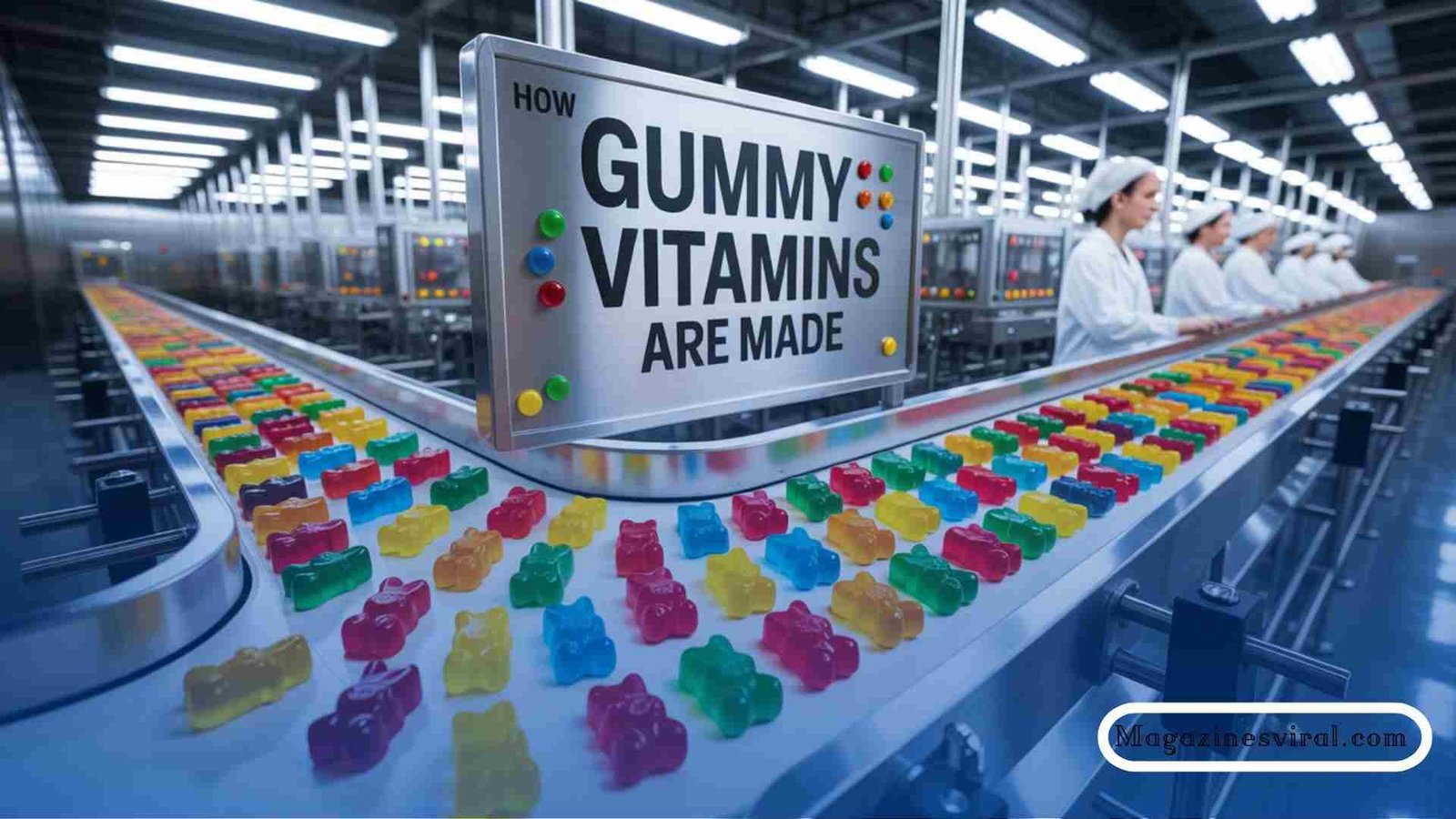
The health and wellness industry has seen a massive shift in recent years, with consumers leaning toward more enjoyable ways to stay healthy. Gummy vitamins have become one of the fastest-growing supplement formats globally. They’re fun, flavorful, and most importantly, effective. But have you ever wondered how these chewy supplements come to life? The manufacturing process of gummy vitamins is a fascinating blend of science, nutrition, and creativity. From choosing the right ingredients to molding and packaging, each step requires precision and care to ensure that the final product is both effective and enjoyable to consume.
What Makes Gummy Vitamins So Popular?
There’s a reason why gummy vitamins have skyrocketed in popularity—they make taking supplements feel like a treat rather than a chore. Unlike traditional tablets or capsules, gummies are more palatable, especially for kids and those who have trouble swallowing pills. They come in a variety of shapes, colors, and fruity flavors, which makes them more appealing. In addition, many gummy products today are formulated to be sugar-free, vegan, and allergen-friendly, which broadens their market appeal. Their convenience, combined with taste and ease of use, has made them a preferred choice for health-conscious individuals.
Understanding the Ingredients in Gummy Vitamins
Creating a gummy vitamin starts with selecting high-quality ingredients. The core components typically include active nutrients like vitamins, minerals, and botanical extracts. These might be Vitamin C for immunity, Biotin for hair and nails, or even Elderberry for general wellness. Next are the structural components—gelling agents like gelatin or pectin that give the gummies their shape and texture. To enhance the taste, manufacturers add natural or artificial sweeteners, flavorings, and colorants. Each ingredient is chosen carefully to maintain a balance between efficacy, flavor, and shelf stability.
Gelatin vs. Pectin: Choosing the Right Gelling Agent
One of the most crucial decisions in gummy vitamin production is selecting the gelling agent. Gelatin, derived from animal collagen, is traditionally used due to its smooth texture and excellent gelling properties. However, with the rise in vegetarian and vegan lifestyles, pectin has become a widely accepted alternative. Pectin is plant-based, usually extracted from citrus fruits or apples, and produces a firmer, slightly chewier gummy. The choice between gelatin and pectin affects not just the product’s texture, but also its temperature stability, shelf life, and dietary compatibility.
Role of Sweeteners and Flavors in Taste Profile
Taste plays a significant role in the success of gummy vitamins. Sweeteners are essential to mask the often bitter or metallic taste of certain vitamins and minerals. Manufacturers may use natural sweeteners like cane sugar, tapioca syrup, or honey, as well as sugar alcohols like xylitol or erythritol for sugar-free options. Flavors are equally important, with fruity notes like strawberry, orange, lemon, and grape being the most popular. Natural flavors extracted from real fruits or essential oils are preferred for premium products. Together, sweeteners and flavors ensure that consumers enjoy taking their daily supplements.
Coloring Options: Natural vs. Synthetic Dyes
Color is more than just cosmetic—it’s part of the overall sensory experience. Natural colorants like beet juice, turmeric, spirulina, and annatto are increasingly used due to consumer demand for clean-label products. These plant-based colors offer vibrant hues without the risks associated with synthetic dyes, which some studies have linked to allergies and behavioral issues in children. However, natural colors can be more sensitive to heat and light, which requires careful formulation and packaging to maintain visual appeal throughout the product’s shelf life.
Step-by-Step Gummy Vitamin Manufacturing Process
The manufacturing process begins with formulation, where the precise balance of vitamins, gelling agents, sweeteners, flavors, and colors is determined. This formula is mixed and heated in large stainless-steel kettles. Heating allows the gelling agent to dissolve and activates its thickening properties. Once the mixture reaches the correct consistency, it’s transferred to molds, where it cools and solidifies into the familiar gummy shapes. After molding, the gummies are cured—dried in controlled conditions for 24 to 72 hours to reduce moisture and improve texture. Finally, the finished gummies are coated with a thin layer of oil or wax to prevent sticking and then packed into bottles or pouches.
Importance of Nutrient Stability During Production
Heat, light, and moisture can degrade certain vitamins and minerals, reducing their effectiveness. For example, Vitamin C is highly sensitive to heat, while Vitamin D can degrade in UV light. To counteract this, manufacturers use specialized techniques such as encapsulation or pre-blending to protect nutrients. During the cooking process, temperature controls are crucial to avoid destroying delicate vitamins. Additionally, the order of mixing ingredients is often adjusted to ensure optimal stability. This careful handling helps maintain the labeled potency of each nutrient throughout the product’s shelf life.
Equipment Used in Gummy Manufacturing
High-tech equipment plays a vital role in the efficiency and quality of gummy vitamin production. Cooking vessels with precise temperature control are used to mix and heat the ingredients uniformly. Gummy depositors are automated systems that inject the hot mixture into molds with precision. Cooling tunnels help solidify the gummies quickly and uniformly. For packaging, automatic bottling lines ensure hygiene and speed by sealing gummies in airtight containers. These machines are often integrated with quality control systems that detect imperfections or variations in weight, shape, or texture.
Quality Assurance and Testing Procedures
Before a batch of gummy vitamins hits the market, it undergoes rigorous testing. First is nutrient potency testing to verify that each gummy contains the correct dosage of active ingredients. Then comes microbial testing, which checks for bacteria, yeast, and mold. Texture analysis ensures that gummies aren’t too hard, too soft, or sticky. Additional shelf-life testing is conducted to predict how long the product will stay effective and fresh under various storage conditions. Only after passing all these checkpoints are the gummies approved for distribution.
Regulatory Compliance and Industry Standards
The production of gummy vitamins is closely regulated to ensure safety and efficacy. In the U.S., the FDA requires that all dietary supplements, including gummies, comply with current Good Manufacturing Practices (cGMP). This means manufacturers must follow strict protocols for cleanliness, documentation, and ingredient sourcing. Certifications such as NSF, USP, and Non-GMO Project Verified add further credibility. For brands targeting international markets, meeting standards set by agencies like Health Canada or the European Food Safety Authority (EFSA) is also critical.
Challenges Faced in Gummy Vitamin Production
Gummy vitamin production is not without its hurdles. Maintaining consistency in shape, taste, and nutrient potency across large batches is a constant challenge. Ingredients like iron and zinc have strong metallic tastes that are hard to mask. There’s also the issue of stickiness, especially in humid environments, which can affect shelf life and packaging. Additionally, vegan and sugar-free formulations require precise balancing since alternative ingredients behave differently under heat and moisture. Overcoming these obstacles requires a mix of scientific expertise and creative problem-solving.
Contract Manufacturing vs. In-House Production
Many supplement brands outsource their gummy production to contract manufacturers. This allows them to scale quickly without investing in expensive equipment or facilities. Contract manufacturers offer expertise, regulatory compliance, and access to industry-leading technology. However, in-house production gives brands greater control over quality and customization. It also eliminates dependency on third parties and can be more cost-effective in the long run. The choice between the two depends on a brand’s resources, scalability needs, and long-term vision.
Sustainability and Clean Label Movement
Consumers are increasingly aware of what they’re putting in their bodies and how it affects the planet. This has led to a surge in demand for clean-label gummies—products made without artificial colors, flavors, or preservatives. Manufacturers are responding by sourcing organic ingredients, using compostable or recyclable packaging, and reducing water and energy usage during production. The clean-label trend is more than a marketing buzzword—it reflects a deeper shift toward transparency, ethics, and sustainability in the supplement industry.
Future Trends in Gummy Supplement Manufacturing
Looking ahead, the gummy vitamin space is set to evolve even further. Personalized nutrition will become more prominent, with companies offering custom blends tailored to individual health needs based on DNA or lifestyle data. AI-driven formulation and robotic automation will make manufacturing faster and more accurate. Emerging trends also include functional gummies that support mental wellness, digestion, and even skincare. As consumer expectations continue to rise, innovation will be key to staying competitive in this dynamic and rapidly expanding market.
Conclusion
From humble beginnings to a billion-dollar industry, the manufacturing of gummy vitamins has come a long way. What started as a child-friendly alternative to pills is now a sophisticated, science-driven process that delivers nutrition in a delicious, convenient form. Behind every gummy is a story of precise formulation, careful ingredient selection, cutting-edge technology, and unwavering quality standards. Whether you’re a health enthusiast curious about how your supplements are made or an entrepreneur exploring opportunities in the space, understanding the manufacturing process opens up a world of insight into this chewy health revolution.
Also Read:
- How Long Does Dental Vertigo Last – Simple Answer!
- How To Clean A Dental Flipper – Quick & Safe Guide!
- Delta Dental Invisalign – Save Thousands on Your Smile!