
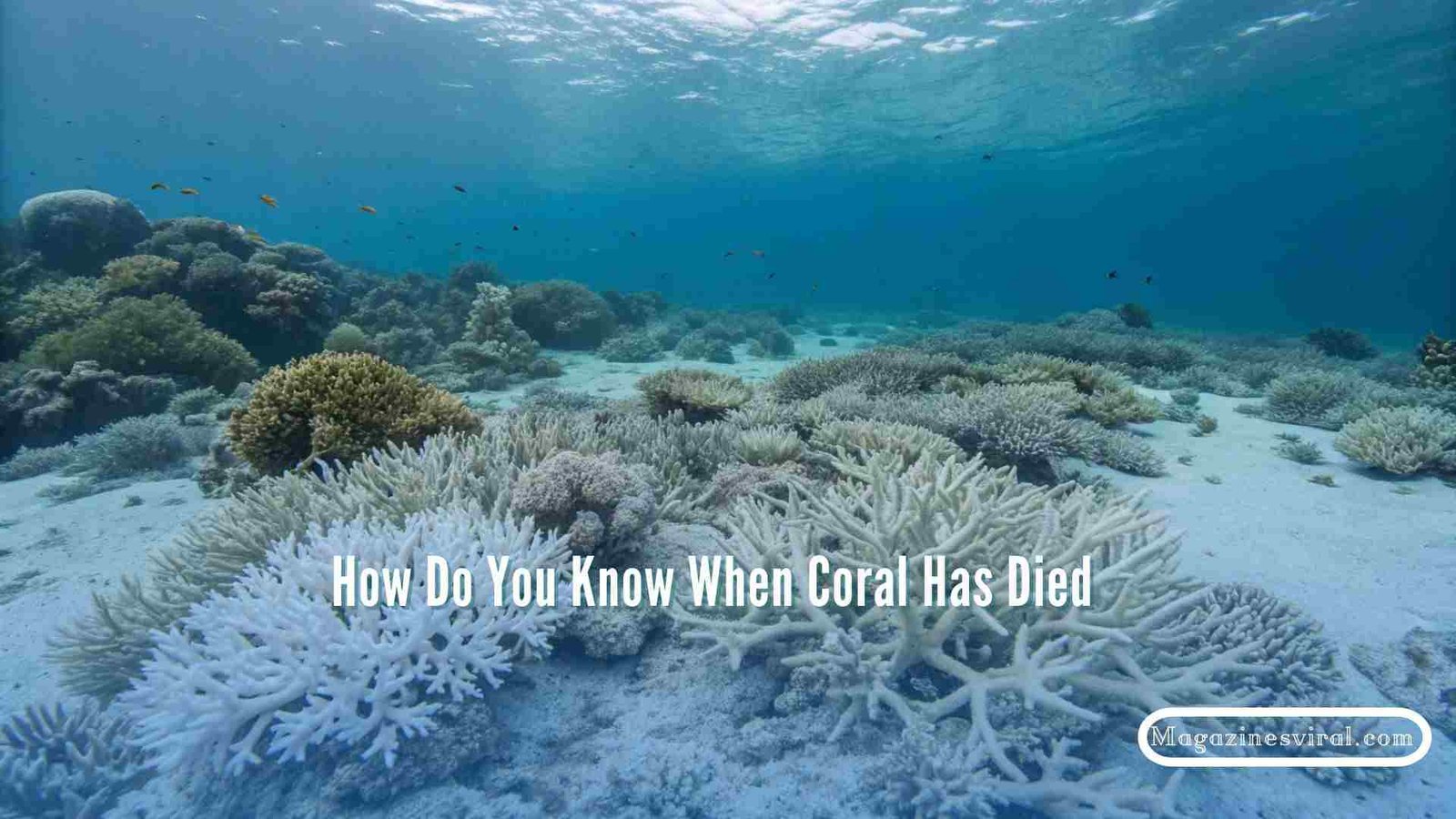
You can tell coral has died when it turns white, loses its vibrant color, and becomes covered in algae. Dead coral also loses its hard structure and no longer supports marine life.
Stay tuned with us as we dive deeper into the fascinating world of coral reefs. In our next feature, we’ll uncover the signs and science behind how do you know when coral has died—don’t miss it!
The Role of Coral Reefs in Marine Ecosystems
Coral reefs are incredibly important for a variety of reasons:
- Biodiversity Hotspots: Coral reefs support more than 25% of all marine species, including fish, invertebrates, and algae. This high level of biodiversity makes them critical to the health of the ocean.
- Coastal Protection: Coral reefs act as natural barriers, protecting coastal areas from the impacts of storms, tsunamis, and coastal erosion. They help reduce wave energy, making shorelines less susceptible to flooding and erosion.
- Economic Value: Coral reefs contribute billions of dollars annually to the global economy through tourism, fishing, and the pharmaceutical industry. Many coastal communities depend on reefs for food, livelihood, and recreational opportunities.
What Are the Causes of Coral Death?
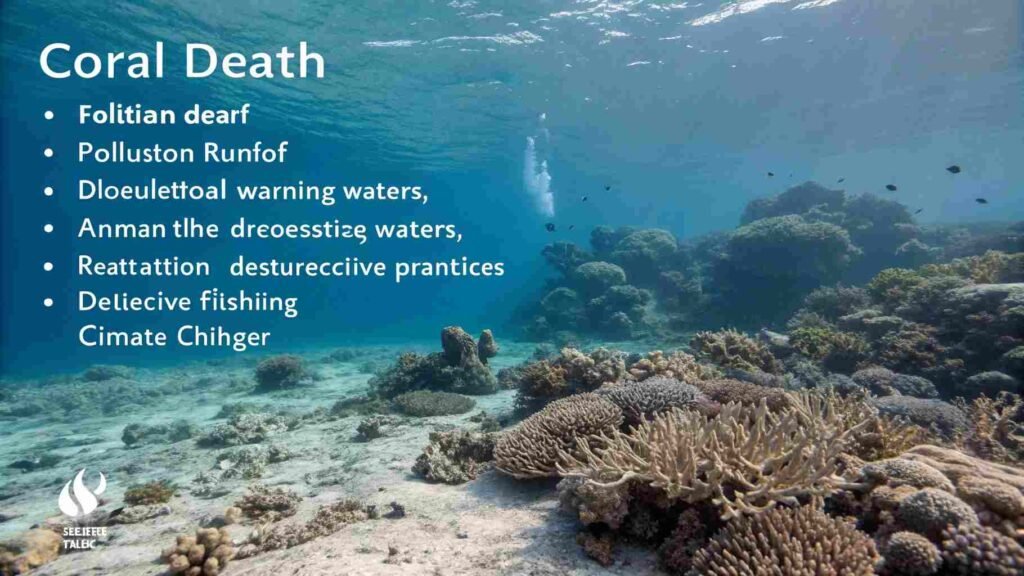
The death of coral reefs can occur due to a variety of natural and human-induced stressors. Understanding these causes is crucial for effectively addressing and preventing coral mortality.
Coral Bleaching: A Major Culprit
Coral bleaching is one of the most visible and devastating phenomena affecting coral reefs. It occurs when coral polyps expel their symbiotic algae (zooxanthellae) due to stress, usually caused by high water temperatures. Without these algae, the coral loses its color and becomes white, hence the term “bleaching.” Since the algae are the primary source of nutrients for the coral, their loss weakens the coral, leaving it more susceptible to disease and death.
How Does Bleaching Occur?
Corals expel their algae when water temperatures rise above normal levels, often due to global warming. Other stressors, like changes in light levels, pollution, and ocean acidification, can also cause coral bleaching. Once corals bleach, they are highly vulnerable to diseases and have difficulty regenerating unless the stressors are reduced.
Ocean Acidification
Increased carbon dioxide (CO2) levels in the atmosphere lead to higher levels of CO2 dissolving in the ocean, resulting in ocean acidification. This process decreases the ability of corals to produce calcium carbonate, a substance they need to build their skeletons. Weakened corals become more susceptible to physical damage, disease, and bleaching.
Pollution and Runoff
Pollution from agricultural runoff, sewage, oil spills, and plastic waste can severely damage coral reefs. Chemicals, including fertilizers and pesticides, can promote the growth of harmful algae, which outcompete corals for space and nutrients. Oil spills coat coral surfaces, inhibiting their ability to breathe and feed, leading to suffocation and death.
Overfishing and Destructive Fishing Practices
Destructive fishing techniques, such as blast fishing (using explosives) and bottom trawling (dragging heavy nets across the ocean floor), physically damage coral reefs. Overfishing can also deplete the number of fish species that rely on the reef for food, upsetting the delicate balance of the ecosystem.
Disease and Pathogens
Coral reefs are also susceptible to various diseases caused by bacteria, viruses, and fungi. Pathogens like Black Band Disease and White Syndrome can quickly spread throughout coral colonies, leading to rapid tissue loss and death. The weakened immune systems of corals, often a result of environmental stressors, make them more vulnerable to infections.
How to Recognize When Coral Has Died?
Coral death doesn’t always happen immediately after bleaching or other stress events. It can take time for the effects of stressors to become apparent. Here are some of the signs that indicate coral has died or is on the verge of dying:
Coral Bleaching (Visible Discoloration)
As previously discussed, coral bleaching is the most noticeable sign of coral stress. Healthy corals typically exhibit vibrant colors due to the presence of their algae. When corals expel their algae, they turn white or pale. If the water temperature cools down quickly, the coral might recover. However, if the stress continues for a prolonged period, the coral is likely to die.
Structural Collapse and Fragmentation
Healthy corals have firm, structured skeletons that help protect them from environmental stress. Dead corals often lose their rigidity and start to disintegrate. The skeletons may break into smaller pieces, and the once solid colony becomes fragile. If a coral colony is breaking apart or crumbling, it is a clear sign that the coral has died.
The Presence of Algae or Detritus
Algae growth is one of the first signs that coral is dead or dying. When coral dies, it loses its ability to compete with algae for resources, allowing algae to cover the coral skeleton. A healthy coral colony will generally be free from excessive algae growth. If you see algae overtaking the colony or detritus accumulating on the coral, it’s an indication that the coral is no longer alive.
Absence of Polyp Activity
Coral polyps are the individual animals that make up the colony. They are typically visible as small, tentacle-like projections on the coral surface. If the polyps are not visible or there is no movement within the colony, it’s likely that the coral is dead. In living corals, you should see some movement, especially at night when polyps expand to feed.
Soft Corals Collapse
Soft corals, which do not have a rigid skeleton like hard corals, are more susceptible to collapsing when stressed. When soft corals die, they lose their shape and may appear limp or deflated. These corals may also become covered in slime or detritus.
What Happens After Coral Dies?
Once corals die, their skeletons often remain on the seafloor for years, especially if the water is too polluted or acidic to support new coral growth. Over time, dead coral structures can become homes for algae, sponges, and other marine organisms. While this can provide shelter for some species, the ecosystem of a reef that has lost its coral foundation is vastly different from a healthy one.
The consequences of coral death extend far beyond the coral itself. When corals die, the entire ecosystem suffers. Fish species lose their homes, food sources are reduced, and the coastal protection that coral reefs provide is diminished. This can lead to increased coastal erosion and even greater vulnerability to storm surges and flooding.
Steps You Can Take to Protect Coral Reefs
While coral death may seem inevitable due to global challenges, there are things we can do to help protect and conserve coral reefs:
Support Coral Restoration Projects
Several organizations around the world are dedicated to coral restoration. These projects often involve coral farming, where healthy corals are grown in nurseries and then transplanted to damaged reefs. Supporting these efforts through donations or volunteering can contribute to the recovery of coral ecosystems.
Reduce Your Carbon Footprint
Since climate change is a major driver of coral bleaching, reducing your carbon footprint can help mitigate the effects of global warming. Simple actions like using less energy, driving less, and supporting renewable energy sources can help slow the rise in ocean temperatures.
Practice Sustainable Tourism
If you’re a diver or snorkeler, make sure to respect coral reefs by not touching or collecting coral. Avoid using sunscreen that contains harmful chemicals, as these can damage coral and marine life. Additionally, choose eco-friendly tour operators who follow responsible coral reef guidelines.
Reduce Plastic and Chemical Pollution
Plastic waste, chemicals, and agricultural runoff are major threats to coral reefs. By reducing your plastic consumption, avoiding chemical pesticides, and supporting local conservation policies aimed at reducing pollution, you help protect coral ecosystems.
Advocate for Stronger Environmental Policies
Advocacy plays a crucial role in protecting coral reefs. Support environmental policies that address the root causes of coral death, including climate change, pollution, and destructive fishing practices. Public awareness and pressure on governments to take action can lead to stronger conservation efforts.
FAQ’s
1. Can coral reefs survive in colder waters?
Coral reefs generally thrive in warm waters, typically between 68-85°F (20-29°C). While there are some species of coral that can survive in colder waters, most coral reefs are highly sensitive to temperature changes, and prolonged exposure to temperatures outside this range can lead to stress, bleaching, and death.
2. How does coral death impact global climate change?
Coral reefs play an essential role in the carbon cycle by absorbing and storing carbon dioxide from the atmosphere. When corals die, their ability to perform this function is lost, potentially contributing to increased atmospheric carbon levels and exacerbating global climate change. Coral death also disrupts the broader marine ecosystem, which can lead to further environmental changes.
3. Can coral reefs adapt to climate change over time?
While some coral species may have adaptive traits that allow them to survive in slightly warmer waters, most corals are highly sensitive to rapid environmental changes. The current rate of climate change is outpacing the natural adaptation processes of corals, which makes it difficult for them to cope with rising ocean temperatures, ocean acidification, and other stressors.
4. What are the long-term effects of coral reef loss on human communities?
The loss of coral reefs has far-reaching consequences for human communities, particularly those that rely on reefs for fishing, tourism, and coastal protection. Coral reefs support millions of livelihoods, and their degradation can lead to loss of income, food security, and increased vulnerability to natural disasters like storms and tsunamis.
5. How can coral reefs be protected from harmful fishing practices?
To protect coral reefs from destructive fishing practices, such as blast fishing and bottom trawling, it is essential to enforce stricter regulations and promote sustainable fishing methods. This can include banning harmful fishing techniques, promoting eco-friendly fishing practices, and educating local communities about the importance of protecting coral ecosystems.
Conclusion:
In conclusion, coral reefs are vital to ocean health and our planet’s well-being. Protecting them from threats like bleaching, pollution, and overfishing is crucial for preserving marine life and supporting coastal communities. By taking action now, we can ensure these underwater ecosystems thrive for generations to come.
Also Read:
- What Problems Do Agricultural Engineers Solve – A Deeper Dive!
- Freewayget . Com – What You Need to Know!
- Tech Gamify Fitness For Kid – Easy Tips for Parents!