
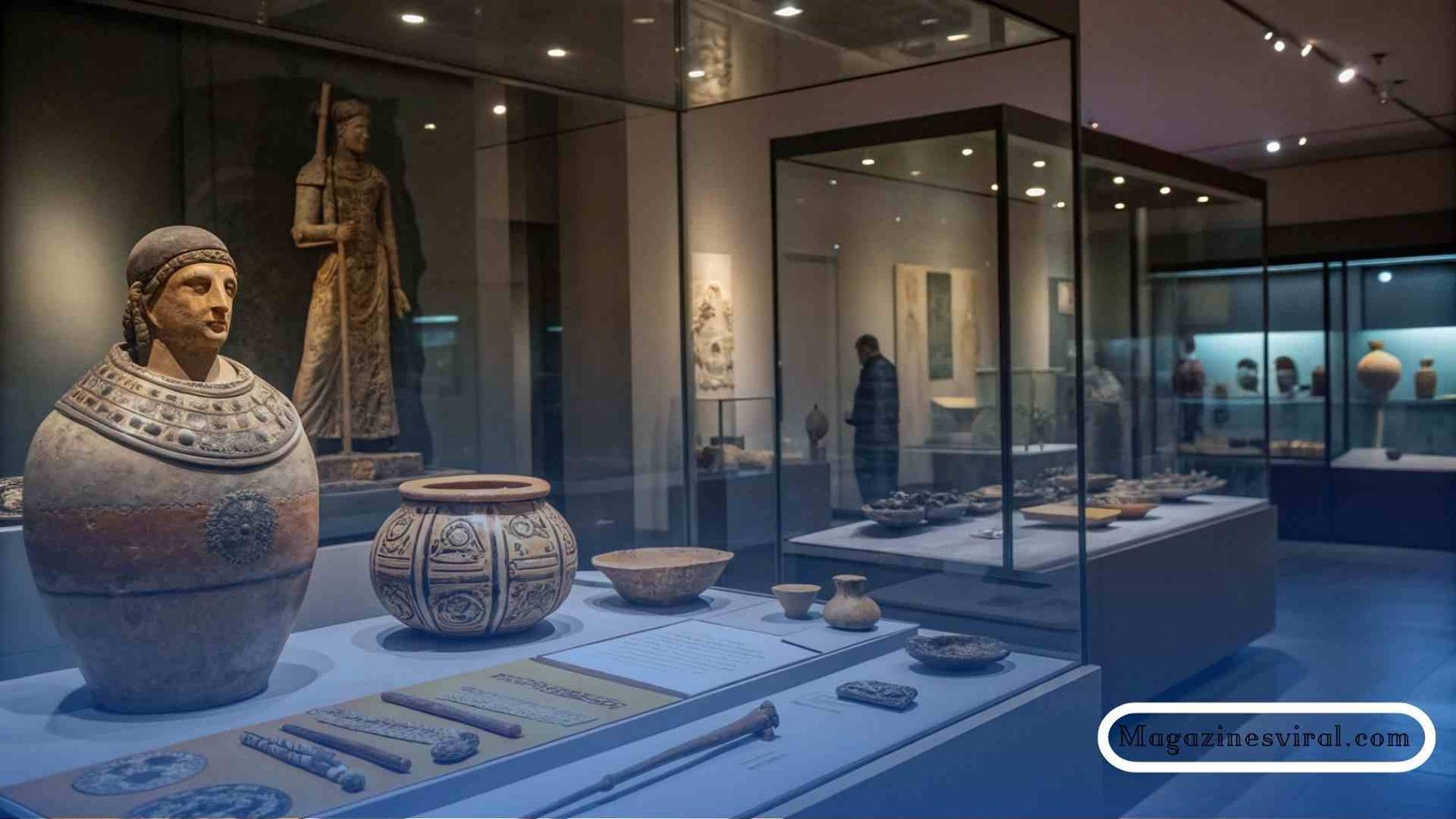
Ancient Artz means old art made by early people like Egyptians and Greeks. It includes things like paintings, statues, and buildings. This art shows their life, beliefs, and culture, and still inspires people today.
Stay with us as we explore more amazing facts and secrets from the world of Ancient Artz.
What is Ancient Artz?
Ancient Artz refers to the visual and material expressions created by civilizations before the fall of the Western Roman Empire (around 476 AD), although the term is often used more broadly. These artistic creations reflect religious beliefs, political power, mythology, and social structures.
Forms of ancient art include:
- Stone and bronze sculptures
- Mural paintings and cave art
- Pottery and ceramics
- Jewelry and textile art
- Architectural marvels
- Seals, coins, and manuscripts
These pieces were not just for decoration they were tools for storytelling, worship, power, and communication.
The Origins of Ancient Artz: Prehistoric Beginnings
Long before the rise of cities and empires, ancient humans were already expressing themselves through cave paintings and petroglyphs.
Notable Prehistoric Art Examples:
- Lascaux Cave Paintings (France): Over 17,000 years old, these colorful depictions of animals reflect early human spirituality and survival.
- Venus Figurines: Fertility statues like the Venus of Willendorf suggest early concepts of beauty and motherhood.
- Australian Aboriginal Rock Art: Dating back over 40,000 years, these artworks include symbolic storytelling through vibrant colors and sacred symbols.
These early works laid the foundation for future civilizations to build their visual languages.
Ancient Civilizations and Their Artistic Contributions
Let’s explore how some of the world’s oldest civilizations contributed to the evolution of Ancient Artz.
1. Egyptian Art
- Main Features: Symbolism, order, and a focus on the afterlife.
- Famous Works: Tomb paintings, hieroglyphics, the Sphinx, and golden masks like that of King Tutankhamun.
- Legacy: Egyptian art introduced iconic color symbolism and large-scale monumental architecture.
2. Mesopotamian Art (Sumer, Akkad, Babylon)
- Main Features: Religious narratives, cylinder seals, and ziggurats.
- Famous Works: The Standard of Ur, the Ishtar Gate, and cuneiform tablets.
- Legacy: Invented early forms of writing and artistic storytelling.
3. Greek Art
- Main Features: Naturalism, human anatomy, idealized beauty.
- Famous Works: The Parthenon, Discobolus (Discus Thrower), and black-figure pottery.
- Legacy: Greek art deeply influenced Western aesthetics, sculpture, and philosophy.
4. Roman Art
- Main Features: Realism, architecture, and urban planning.
- Famous Works: Colosseum, Roman mosaics, and frescoes from Pompeii.
- Legacy: Mastery in engineering, portraiture, and realistic public art.
5. Chinese Art (Shang to Han Dynasties)
- Main Features: Calligraphy, bronze casting, jade carvings.
- Famous Works: Terracotta Warriors, oracle bones, silk scrolls.
- Legacy: Emphasized harmony with nature and introduced techniques still used today.
6. Indus Valley Art
- Main Features: Geometric pottery, seal carvings, and small bronze sculptures.
- Famous Works: Dancing Girl of Mohenjo-Daro, unicorn seals.
- Legacy: Precision and elegance in miniature art.
7. Mesoamerican Art (Maya, Aztec, Olmec)
- Main Features: Pyramids, glyphs, ritual masks, and calendars.
- Famous Works: Olmec colossal heads, Mayan stelae, Aztec sunstone.
- Legacy: Complex iconography and symbolic stonework.
Common Themes in Ancient Artz
Despite cultural differences, ancient art across civilizations shares several recurring themes:
- Religion and Mythology: Gods, goddesses, and spiritual realms were central to ancient art.
- Royalty and Power: Kings and emperors were often depicted as divine or heroic figures.
- Nature and Animals: Many artworks honored natural forces and sacred animals.
- Life After Death: Burial art, tomb paintings, and rituals show a deep belief in the afterlife.
- Daily Life: Pottery, murals, and carvings also captured festivals, farming, and family life.
Ancient Artz Techniques and Materials
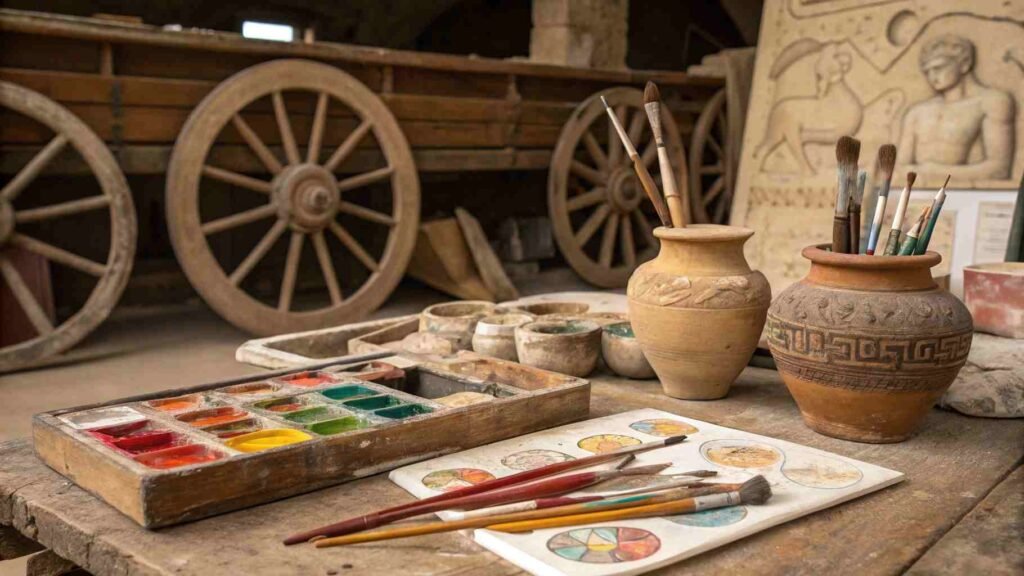
The brilliance of ancient art lies in how it was crafted using limited tools but unlimited imagination.
Common materials used:
- Stone and clay: Used for carving, building, and pottery
- Bronze and gold: Used in jewelry, statues, and ceremonial objects
- Natural dyes and pigments: Created from minerals and plants for painting
- Papyrus and parchment: Early forms of writing and documentation
- Textiles and leather: Woven with symbolic patterns
Many of these ancient techniques are still taught and replicated in modern art schools.
Influence of Ancient Artz on Modern Culture
Ancient art continues to shape modern design, fashion, architecture, and media.
- Architecture: Columns, arches, and domes in modern buildings are inspired by Roman and Greek art.
- Fashion and Jewelry: Egyptian and Mesoamerican motifs often appear in modern accessories.
- Movies and Games: Films like Gladiator, The Mummy, and games like Assassin’s Creed heavily borrow from ancient visuals.
- Tattoo and Graphic Design: Ancient symbols and deities remain popular artistic elements.
Preserving Ancient Artz: Museums and Excavations
Thanks to modern archaeology, much of ancient art has been preserved or rediscovered. Top museums and institutions dedicated to Ancient Artz include.
- The British Museum (London)
- The Louvre (Paris)
- The Egyptian Museum (Cairo)
- The National Museum of China (Beijing)
- Metropolitan Museum of Art (New York)
These institutions not only protect artifacts but also make them accessible through exhibitions and digital archives.
Fascinating Facts About Ancient Artz
- The Mona Lisa may be famous, but the oldest known art is the 45,500-year-old pig painting found in Indonesia.
- The ancient Greeks used mathematics like the “Golden Ratio” to design ideal beauty.
- Ancient Mayans painted murals with natural plant dyes that still retain color today.
- Many Egyptian statues were originally brightly painted, not just plain stone.
FAQ’s
1. How did people learn to make art in ancient times?
In ancient times, people didn’t go to art schools. They learned by watching and helping older artists, like parents or temple workers. Skills were passed down from one generation to the next.
2. Did ancient artists put their names on their artwork?
Most ancient artists didn’t sign their names. Art was made for kings, gods, or the community not for fame. Only a few artworks, especially in Greece or Rome, have the artist’s name on them.
3. What did colors mean in ancient art?
Colors had special meanings in ancient art.
- Red could mean blood or power
- Blue and green often meant life or nature
- Gold showed something holy or god-like
People didn’t choose colors just for looks they used them with purpose.
4. Did women make or appear in ancient art?
Yes! Women were often shown in ancient art as mothers, goddesses, or queens. In some places, like ancient China or Crete, women helped make clothes, pottery, or other beautiful items.
5. How do experts know how old ancient art is?
Experts use science to find out how old art is. They look at:
- The layers of earth where it was found
- The materials used (like wood or bones)
- Writings or carvings that mention names or dates
This helps them guess the time it was made.
Conclusion:
Ancient Artz shows us the beauty, talent, and stories of people from long ago. It helps us understand their lives, beliefs, and dreams. Even today, ancient art still inspires the world. Stay with us as we explore more amazing facts and secrets from the world of Ancient Artz.
Want to read more? Visit my website for new and interesting articles.