
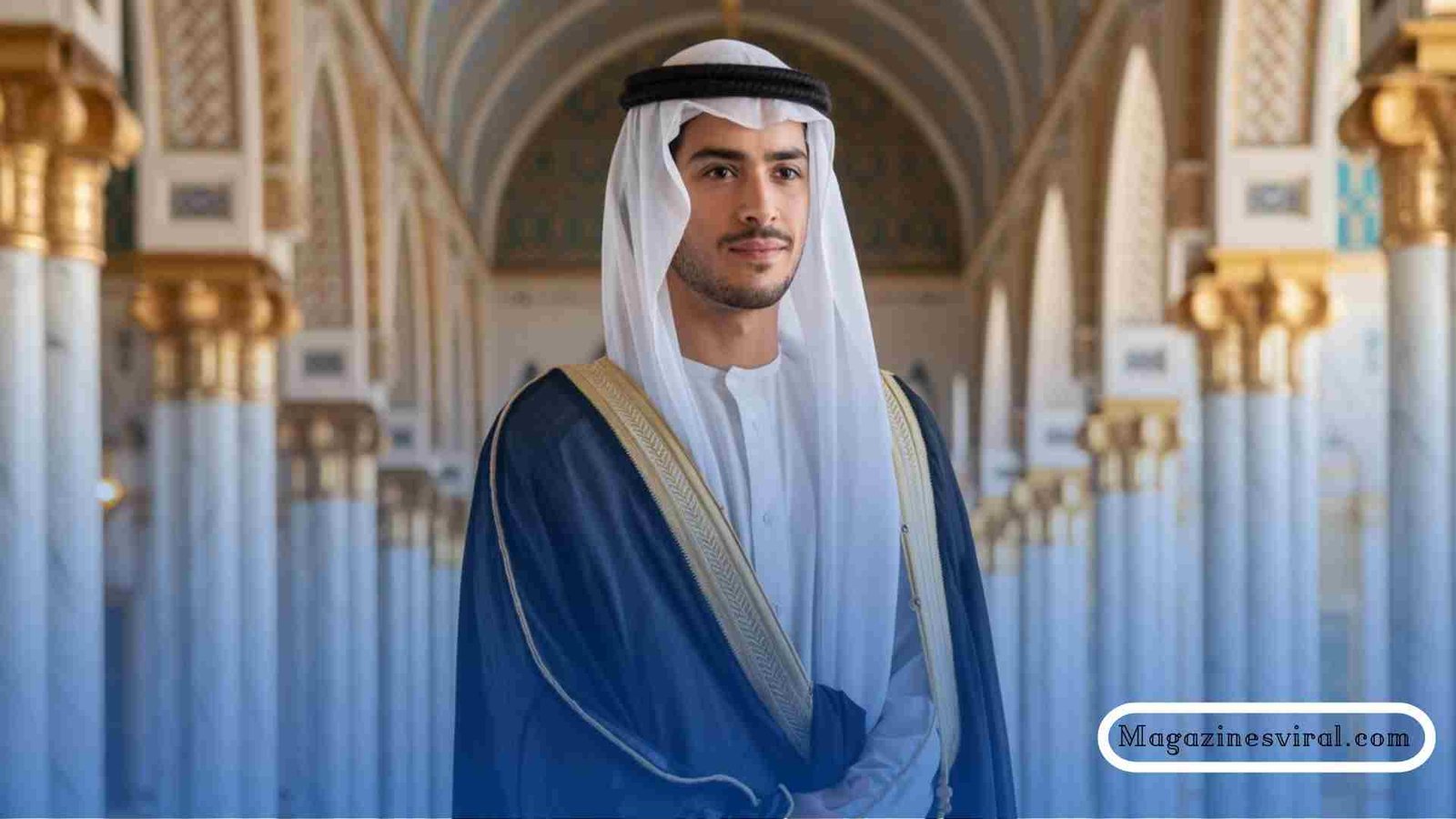
A Saudi prince is a male member of the royal family of Saudi Arabia, known for holding power, wealth, and political influence. Many play key roles in government, business, and modernization efforts like Vision 2030.
Stay tuned with us. We will talk about Saudi prince stories, power, and the big changes they’re making in the world.
Origins and Lineage of the House of Saud
The House of Saud was established in the 18th century but rose to prominence with the founding of the Kingdom of Saudi Arabia in 1932 by King Abdulaziz Ibn Saud. All Saudi princes trace their ancestry to him.
Today, the royal family consists of an estimated 15,000 members, with about 2,000 holding political or business power. Princes are descendants of King Abdulaziz, often grouped under his many sons each forming sub-branches of influence.
Key Lineages:
- Sudairi Seven: A powerful group of full brothers from King Abdulaziz’s favorite wife, Hassa bint Ahmad Al Sudairi. MBS is from this lineage.
- Talal branch: Known for liberal stances and business ventures, including Prince Alwaleed bin Talal.
Political Roles of Saudi Princes
Saudi Arabia does not operate like Western democracies. Instead, key government positions are often occupied by princes. These positions include.
| Position | Typical Office Holder |
| Prime Minister / Crown Prince | Mohammed bin Salman (MBS) |
| Defense Minister | Prince Khalid bin Salman |
| Minister of Interior | Prince Abdulaziz bin Saud bin Naif |
| Governors of Provinces | Various regional princes |
This political structure ensures that royal authority remains centralized, yet distributed enough to maintain loyalty within the family.
Economic Influence and Investment Power

Saudi princes have access to and control over billions of dollars in assets, including shares in the oil giant Aramco, sovereign wealth funds, and private investment vehicles.
Key Economic Arms:
- Public Investment Fund (PIF): Worth over $800 billion, used to fund projects like NEOM, Lucid Motors, and sports acquisitions.
- Alwaleed’s Kingdom Holding: Invested in Disney, Lyft, Twitter, Apple, and global hotel chains.
Saudi princes often act as gatekeepers to business in the Kingdom. To succeed, foreign companies must often partner with well-connected royals.
Mohammed bin Salman (MBS): A Transformational Figure
Perhaps the most influential Saudi prince in modern history, Mohammed bin Salman (MBS) represents a generational shift in Saudi leadership. Crowned as heir in 2017, MBS launched sweeping changes to modernize the Kingdom.
His Major Initiatives:
- Vision 2030: A comprehensive plan to diversify the economy
- NEOM: A futuristic, AI-driven megacity project
- Cultural Reforms: Reopened cinemas, allowed women to travel independently, and promoted mixed-gender events
- Crackdown on Corruption: Detained hundreds of elite Saudis (including princes) in the 2017 Ritz-Carlton purge
Despite criticism over his authoritarian style, MBS remains widely popular among young Saudis.
Global Diplomacy & Influence
Saudi princes play key roles in diplomatic negotiations and global economic forums. They often act as envoys to build relations with powerful nations.
Recent Global Moves:
- Repaired ties with Iran with China’s help (2023)
- Deepened defense alliances with the U.S., UK, and France
- Built economic bridges with China, India, and Russia
- Invested in African development projects and climate initiatives
Saudi Arabia’s diplomatic weight often rests on the charisma, strategy, and influence of its princes.
Youth Engagement and Education
With over 60% of the population under 30, Saudi Arabia is rapidly changing. Many princes are leading youth-focused projects.
- Prince Mohammad bin Salman Foundation (MiSK): Empowers youth in tech, media, and leadership
- Scholarship Programs: Funded by royal institutions to send thousands of Saudi students abroad
- Digital Transformation: Princes lead digital initiatives like smart cities, fintech, and AI development
This focus on youth aims to build a knowledge economy while reducing reliance on oil.
Saudi Princes in Media and Pop Culture
Saudi princes often appear in international news, not just for political or business activities, but also for their lavish lifestyles, controversial statements, or philanthropy.
Public Perceptions:
- Admired for modernization efforts
- Criticized for censorship and power concentration
- Romanticized in Western media as figures of mystery and luxury
- Respected across Islamic countries for their religious leadership
The Western vs. Arab media coverage of Saudi princes can vary widely—highlighting the complexity of their role in a changing world.
Religion, Power, and Responsibility
Saudi princes are not only political and economic leaders they are also guardians of Islam’s two holiest cities, Mecca and Medina. This gives them religious legitimacy in the Muslim world.
Responsibilities Include:
- Organizing the Hajj pilgrimage
- Funding mosques and Islamic schools worldwide
- Managing religious scholars and institutions
This religious connection adds to their moral and spiritual authority, particularly in the Islamic world.
Security, Surveillance & Internal Control
Maintaining royal control involves managing internal family dynamics, external threats, and public dissent.
- Royal Guard Units protect top princes and the King
- Surveillance Technology is used to monitor political opponents and activists
- Anti-corruption campaigns double as power-consolidation tools
These tools reflect both modern statecraft and traditional monarchy, helping princes maintain grip on power.
Philanthropy and Global Giving
Some Saudi princes are also celebrated for their philanthropic efforts:
- Prince Sultan Bin Abdulaziz Foundation: Focuses on healthcare and special needs
- Alwaleed Philanthropies: Supports disaster relief, education, and interfaith dialogue globally
- Cultural Foundations: Funding Islamic art museums, academic chairs, and peace-building organizations
This work helps soften global perceptions of the monarchy while contributing meaningfully to humanitarian efforts.
FAQ’s
1. How does someone become a Saudi prince?
A Saudi prince is born into the royal family. He must be a male family member related to the first King of Saudi Arabia, King Abdulaziz. The title is passed down through the family.
2. Do Saudi princes have special legal protection?
Yes, princes usually have strong legal protection in Saudi Arabia. But in recent years, some princes have been arrested for corruption or breaking rules, showing that even royals can face action.
3. Can a Saudi prince marry someone outside the royal family?
Yes, a Saudi prince can marry a non-royal or even a foreign woman. But in many cases, the marriage needs approval from the royal family or higher authorities.
4. How many Saudi princes are there?
There are thousands of Saudi princes—some say between 7,000 and 15,000. But only a small number have real power or work in top jobs in the government or military.
5. Do all Saudi princes live in Saudi Arabia?
No, many Saudi princes live part-time in other countries like the UK, France, or the U.S. They often own homes and do business around the world.
Conclusion:
Saudi princes are powerful leaders shaping the future of Saudi Arabia. From business and reforms to global influence, their role is big and important. They live in luxury but also work for change. Stay tuned with us—we’ll keep sharing more about their lives, plans, and impact on the world.
Want to read more? Visit my website for new and interesting articles.