
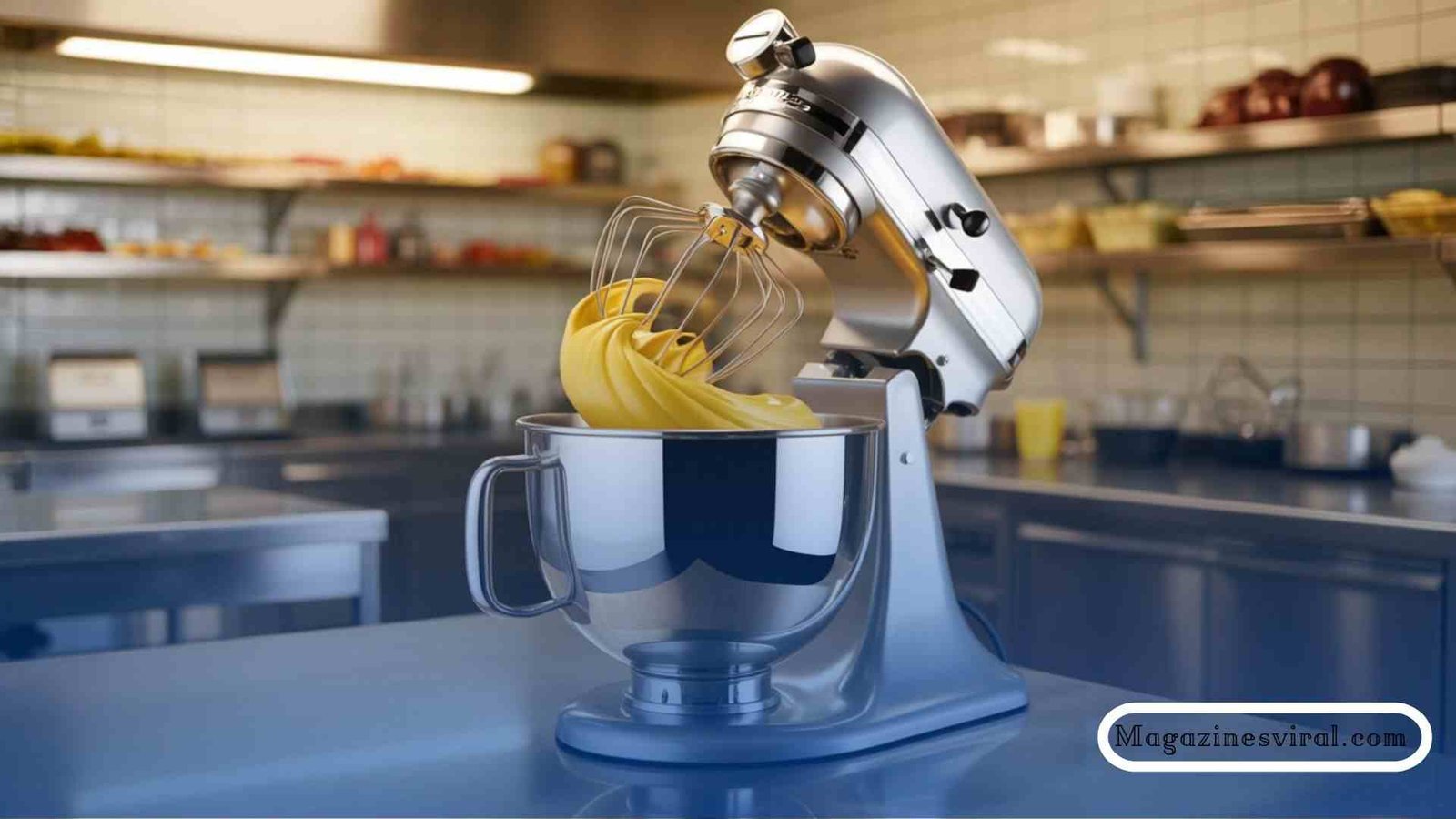
High-quality mixers are indispensable in various industries and home environments because they ensure efficient blending, mixing, and processing of ingredients or materials. Whether you’re working with liquids, powders, dough, or audio signals, the role of a mixer is to bring harmony and consistency to the elements you’re working with. A high-quality mixer goes beyond basic functionality—it delivers reliability, durability, and precision over the long term. From kitchens and bakeries to factories and recording studios, mixers contribute to the productivity and quality of final products in powerful ways. Their value lies in their ability to optimize workflow, reduce manual effort, and ensure consistent output every time.
Different Types of Mixers
There are several categories of mixers depending on the context and application. In industrial settings, mixers are designed to handle heavy-duty workloads and large volumes of material. These include agitators, ribbon blenders, paddle mixers, and static mixers. In the food industry, mixers are engineered to maintain hygiene and preserve the integrity of ingredients—common types include planetary mixers, spiral mixers, and dough mixers. Meanwhile, in the world of audio production, mixers serve the purpose of combining, adjusting, and refining sound inputs. Here, analog and digital mixers dominate, each offering unique advantages in terms of control and sound quality. Understanding these differences helps in choosing the right mixer for a specific job.
Importance of Mixer Quality in Industrial Settings
In industrial manufacturing, the quality of a mixer can directly affect product output, operational efficiency, and safety. High-quality mixers are engineered with strong motors, corrosion-resistant components, and precise controls that make large-scale production seamless. These mixers often feature programmable logic controllers (PLC), variable speed drives, and automated batching systems, which allow for fine-tuned operation. A substandard mixer may result in inconsistent blending, higher energy consumption, and frequent breakdowns, all of which increase operational costs and compromise product integrity. Therefore, investing in a premium-grade mixer isn’t just a luxury—it’s a necessity for maintaining competitive quality standards in manufacturing.
Mixer Applications in Food and Beverage Industry
In the food and beverage sector, high-quality mixers ensure hygiene, uniformity, and texture control. They’re crucial for processes like emulsifying sauces, kneading dough, whipping creams, blending batters, and preparing beverages. Food mixers are typically made with food-grade stainless steel and are easy to clean, making them compliant with food safety standards. Moreover, advanced models come with temperature control, ingredient feeders, and pre-set recipe functions to improve consistency and efficiency. In large bakeries and beverage factories, mixers with automation and real-time monitoring drastically reduce labor and production time while maximizing output without sacrificing quality.
Role of Mixers in Chemical and Pharmaceutical Manufacturing
Chemical and pharmaceutical companies rely on mixers to blend active ingredients, solvents, and additives with extreme precision. In these sectors, the stakes are even higher since product efficacy, safety, and compliance are all dependent on how well the materials are mixed. High-quality mixers used here are often equipped with features like sealed enclosures, explosion-proof motors, and temperature or pressure regulation systems. The importance of mixer design cannot be overstated—it must prevent contamination, ensure homogeneous mixtures, and allow reproducibility batch after batch. High-shear mixers, homogenizers, and emulsifiers are often utilized to achieve these rigorous standards.
The Growing Influence of Audio Mixers in Creative Industries
In music production, broadcasting, film, and live events, audio mixers are the heartbeat of sound control. High-quality audio mixers let sound engineers combine multiple audio signals, adjust tone and volume, add effects, and ensure clear and balanced sound output. These mixers can be analog, offering tactile control and warmth, or digital, which are programmable and loaded with features like digital signal processing (DSP), built-in effects, and automation. A premium mixer offers noise isolation, durable faders, low latency, and expandable input/output configurations. As media consumption grows globally, the demand for high-quality audio mixers in home studios and professional environments continues to soar.
Features That Define a High-Quality Mixer
Several features distinguish a high-quality mixer from a basic one. Build quality is paramount—stainless steel components, robust motor housing, and sealed bearings ensure longevity. Speed variability is another essential feature, allowing you to adjust mixing intensity based on the material or recipe. Noise reduction is important in both home and industrial mixers, while energy efficiency helps reduce operational costs. Safety features such as overload protection, emergency shut-off, and anti-slip bases add another layer of reliability. User-friendly interfaces, whether digital screens or simple knobs, also enhance the usability of a mixer. These features together provide performance that justifies a premium price tag.
Benefits of Investing in a High-Quality Mixer
One of the most significant advantages of using a high-quality mixer is consistent performance. Whether it’s food texture, chemical reactivity, or audio output, a premium mixer produces uniform results every time. This leads to higher efficiency and less waste, both of which translate to cost savings over time. Maintenance needs are also reduced due to the robust construction and advanced design. In industries where downtime is costly, the reliability of a high-quality mixer keeps the workflow smooth. Additionally, these mixers often come with warranties and excellent customer support, adding peace of mind to your investment.
How to Select the Right Mixer for Your Application
Choosing the right mixer requires evaluating a few critical factors. First, identify the nature of your material—is it liquid, powder, viscous, or granular? Each material may require a different mixing mechanism. Second, consider the volume and frequency of use. Heavy-duty tasks demand commercial or industrial-grade mixers with higher capacities and stronger motors. Third, look into your operational preferences: do you need digital controls, automation, or portability? Lastly, consider the ease of cleaning and compliance with industry standards if you’re in a regulated sector like food or pharmaceuticals. A good match between need and feature ensures optimal performance.
Understanding Mixer Capacity and Speed Control
Capacity and speed are two of the most overlooked yet vital aspects when buying a mixer. Capacity refers not just to the volume of the bowl or tank but also to the weight and viscosity of materials it can handle. Overloading a mixer shortens its lifespan and risks product quality. Speed control allows for versatility—you might need a gentle stir for light batters or a vigorous mix for dense materials. Multi-speed or variable-speed options give you that flexibility. Some high-end mixers include programmable speeds and pulse options for extra precision. Balancing these factors ensures smooth and efficient operations.
Technological Advancements in Mixer Design
Modern mixers are smarter than ever. In industrial settings, Internet of Things (IoT)-enabled mixers can transmit performance data in real-time, helping with predictive maintenance and process optimization. Touchscreen interfaces, programmable sequences, and sensor-based automation are becoming standard. In the consumer market, Bluetooth connectivity, recipe syncing apps, and voice-command functionalities are elevating the user experience. Mixers are no longer standalone tools—they’re part of a larger smart ecosystem. These advancements are improving safety, saving time, and allowing customization like never before.
Energy Efficiency and Sustainability in Mixers
As industries push for greener operations, energy-efficient mixers are leading the change. These mixers use optimized motor technology and intelligent power distribution systems to reduce electricity usage without compromising on performance. Some mixers also feature eco-friendly materials and modular designs that make recycling or repurposing easier at the end of their lifecycle. Variable frequency drives (VFDs) in industrial mixers help maintain energy-efficient operation even under variable loads. These innovations make mixers both cost-effective and environmentally responsible.
Maintenance Guidelines for Longevity
Proper maintenance can drastically extend a mixer’s lifespan. Routine cleaning, especially in food and pharmaceutical mixers, prevents contamination and mechanical wear. Periodic lubrication of moving parts like gears and shafts helps reduce friction. Electrical components should be inspected regularly for signs of wear, overheating, or corrosion. For digital mixers, firmware updates are critical for maintaining functionality and security. Always follow the manufacturer’s maintenance schedule and use genuine replacement parts. A well-maintained mixer not only lasts longer but also performs better over time.
Common Mistakes to Avoid When Using Mixers
One of the most common mistakes is overloading the mixer, which strains the motor and leads to premature wear. Using the wrong speed setting can also damage both the mixer and the materials being processed. Neglecting to clean the mixer after each use can cause material buildup, resulting in contamination and mechanical failure. Ignoring strange noises, vibrations, or overheating can allow small issues to escalate into costly repairs. Users should also avoid using non-compatible attachments or accessories that aren’t approved by the manufacturer. Awareness of these pitfalls ensures safer and more efficient mixer use.
Pricing and Return on Investment
While high-quality mixers have a higher upfront cost, they typically offer a greater return on investment. Their longevity, efficiency, and reduced downtime save money in the long run. Operational speed and batch consistency mean fewer raw materials wasted and higher productivity. Furthermore, some brands offer extended warranties, free servicing, and excellent support, all of which add value. When evaluating price, factor in the total cost of ownership—not just the initial purchase price, but also maintenance, energy use, and expected lifespan. In most cases, a premium mixer pays for itself many times over.
Conclusion
High-quality mixers are the backbone of many industries and households, offering unmatched performance, durability, and efficiency. Whether you’re whipping cream, blending chemicals, or balancing audio levels, the right mixer can make all the difference. Their evolving technology, energy efficiency, and superior design standards make them a wise investment across sectors. Understanding your specific needs and matching them with the right mixer features ensures you get maximum value and performance. Don’t settle for average—when it comes to mixing, quality always rises to the top.